
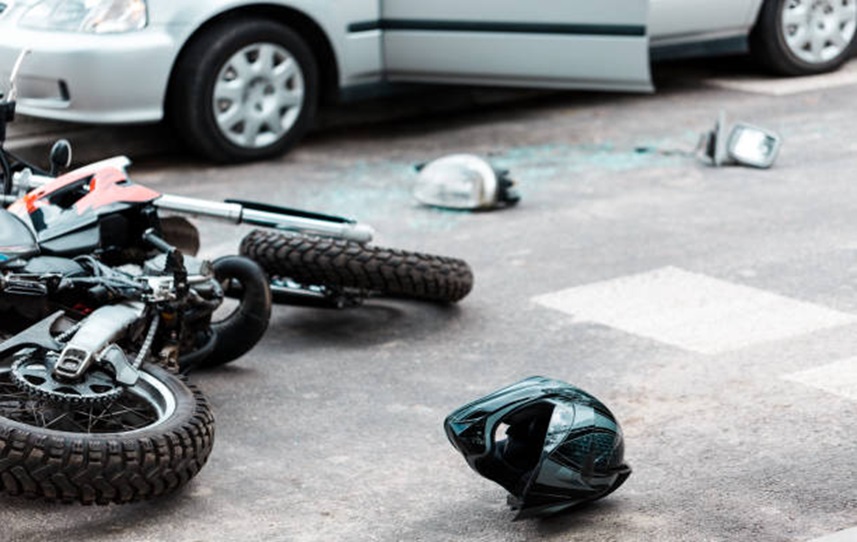
Motorcycle accidents often present unique legal and factual questions, especially when lane splitting is involved. Lane splitting occurs when a motorcycle travels between rows of slower-moving or stopped vehicles in adjacent lanes. While some riders view the practice as a way to reduce traffic congestion and improve travel efficiency, accidents involving lane splitting can lead to complex disputes regarding fault and liability. Understanding how liability is determined in these cases can help injured parties better navigate the legal process following a collision.
Understanding Lane Splitting and Accident Claims
Lane splitting remains a subject of debate because traffic laws and regulations vary by jurisdiction. In some areas, the practice may be permitted under certain conditions, while in others it may be restricted or prohibited. Regardless of the legal status of lane splitting, determining responsibility after an accident often requires a careful examination of the circumstances surrounding the crash.
Evaluating the Actions of All Parties
Liability in a motorcycle accident is rarely determined by a single factor. Investigators and legal professionals typically review the behavior of both the motorcyclist and other drivers involved. Evidence such as witness statements, vehicle damage, road conditions, and traffic patterns may be used to establish how the collision occurred.
A driver who changes lanes without checking blind spots or signaling properly may bear responsibility for causing a crash. At the same time, a motorcyclist who engages in unsafe riding behavior could also contribute to the accident. Each case depends on its unique facts and the applicable laws.
Factors That Influence Liability Determination
Determining fault in lane-splitting accidents often requires a detailed analysis of whether each party acted reasonably under the circumstances.
Traffic Conditions and Rider Conduct
The speed of the motorcycle relative to surrounding traffic is often an important consideration. Riding at an excessive speed between vehicles may increase the likelihood of an accident and affect liability assessments. Traffic density, visibility, and road design can also influence how fault is assigned.
Driver Awareness and Responsibility
Motorists have a responsibility to remain attentive to surrounding traffic, including motorcycles. Failure to check mirrors, signal lane changes, or maintain awareness of nearby vehicles may contribute to an accident. Evidence demonstrating negligent driving behavior can play a significant role in determining liability.
The Importance of Evidence in Motorcycle Claims
Accurate liability determinations depend on strong supporting evidence.
Building a Clear Picture of the Accident
Photographs, accident reports, surveillance footage, and expert analysis can help reconstruct the events leading to a collision. By gathering comprehensive evidence and examining all relevant factors, injured parties can better understand their legal options and pursue a fair resolution following a motorcycle accident involving lane splitting.
This post was written by a professional at Kearney Law. At Kearney Law, we’re dedicated to delivering personalized legal guidance that puts your needs first. Whether you’re looking for
Personal Injury Attorney Clearwater FL, a real estate attorney near you, a probate attorney near you, or a title attorney near you, our team is ready to provide the focused representation you deserve. We recognize that every client’s situation is different, which is why we take the time to understand your case and craft strategies that align with your goals. With a commitment to protecting your rights and securing the best possible outcome, Kearney Law offers trusted legal support with the attention and care you won’t find just anywhere.
 Newz Law Blog