
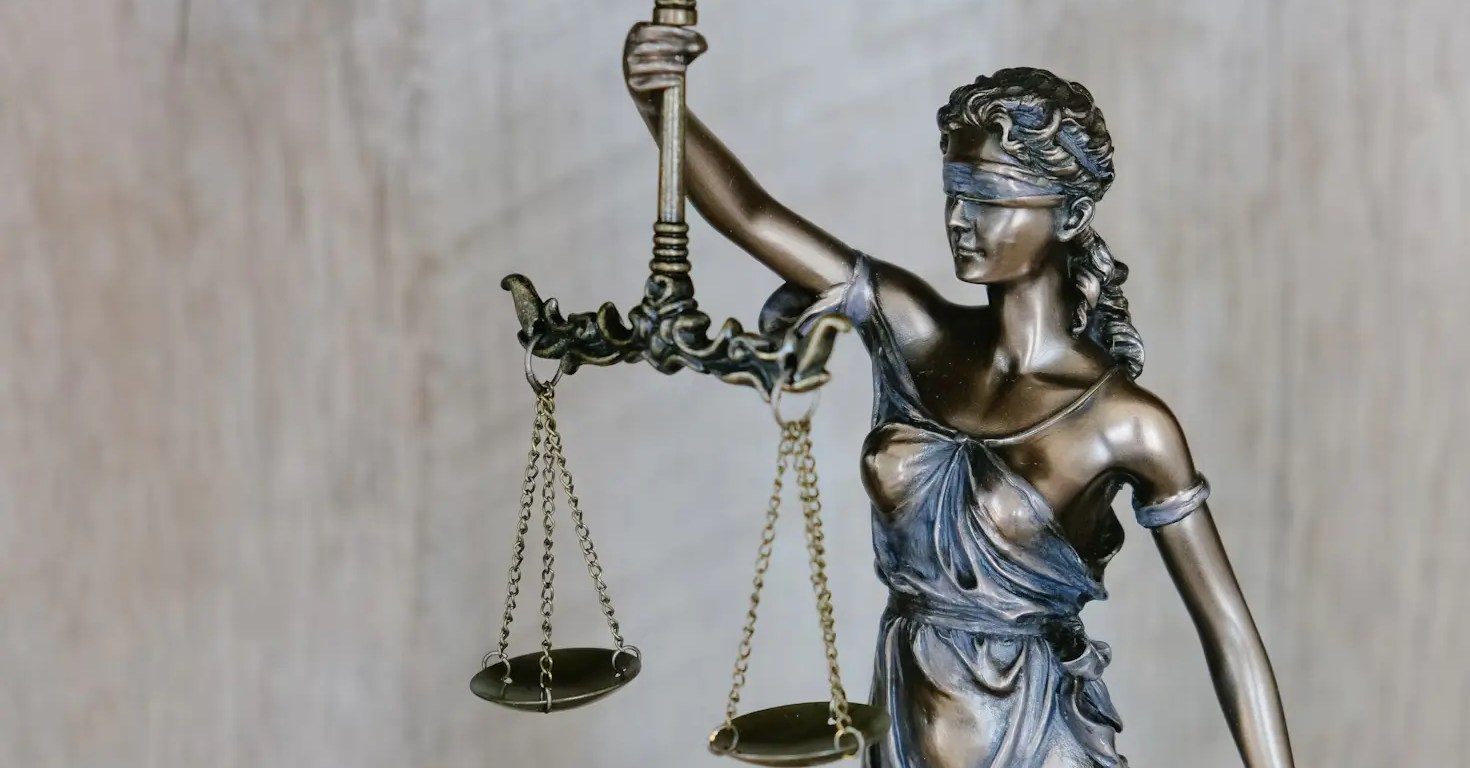
Introduction: Law as the Backbone of Society
Legal news may not always dominate the front page, but its influence stretches into every crevice of modern life. From policy decisions that redefine civil rights to court rulings that steer corporate conduct and international treaties that establish global norms, legal developments shape the landscape in which individuals, businesses, and governments operate. The law is not a fixed institution—it evolves constantly, molded by the changing needs and values of society.
Understanding legal news isn’t just a matter of interest for lawyers or scholars. It’s a civic imperative. To be informed about the latest legal developments is to be aware of how the rules governing our rights, responsibilities, and relationships are being reshaped in real-time. In this article, we explore major themes and recent stories that have made a significant impact in the legal sphere, both nationally and globally.
Supreme Courts as the Guardians of Constitutional Order
Key Rulings That Redefine National Frameworks
Supreme courts around the world have increasingly become central figures in national conversations, often delivering rulings that reflect or challenge societal shifts. Their decisions set powerful precedents that echo through every level of the legal system.
Examples of Landmark Rulings:
-
United States: The U.S. Supreme Court’s decision to restrict the use of race in college admissions triggered widespread debate about equality, merit, and historical redress. The ruling effectively overturned decades of affirmative action precedent.
-
India: The Indian Supreme Court’s affirmation of privacy as a fundamental right continues to inform challenges against state surveillance and intrusive data collection laws.
-
Germany: A ruling from the German Constitutional Court in favor of climate protection set a legal requirement for the government to detail clearer emission reduction targets, underscoring the rising judicial role in environmental governance.
Each of these decisions not only interprets existing laws but also recalibrates the societal compass, reinforcing the judiciary’s evolving function as both interpreter and creator of norms.
Technology, Privacy, and the Law
Legislating Innovation in the Digital Age
The pace of technological innovation has outstripped the speed at which legal systems can respond. This has created both opportunity and vulnerability. Data privacy, artificial intelligence, and cybercrime are areas demanding urgent regulatory clarity.
Ongoing Developments:
-
AI Regulation: The European Union’s Artificial Intelligence Act, hailed as a pioneering effort, sets out a risk-based framework for AI oversight. It calls for transparency, accountability, and ethical boundaries for high-risk applications.
-
Data Protection: In the U.S., the push for a federal data privacy law is gaining momentum, aiming to unify the patchwork of state-level rules. Meanwhile, enforcement of GDPR in Europe has led to major fines against tech giants for breaches of consumer rights.
-
Cybersecurity Law: Governments are racing to enact laws that shield critical infrastructure from cyber threats, with emphasis on national security, public safety, and economic integrity.
As technology becomes more integrated into every facet of life, the law must keep pace—ensuring that innovation does not come at the cost of human dignity or public safety.
Environmental Justice in the Legal Spotlight
Climate Litigation Takes Center Stage
Environmental law is undergoing a revolution. Citizens, advocacy groups, and even children are taking governments and corporations to court over environmental inaction. Courts are increasingly recognizing climate change not only as a political issue but also as a matter of fundamental rights.
Emerging Trends in Climate Law:
-
Rights-Based Litigation: Legal claims arguing that environmental harm violates constitutional rights are gaining traction, particularly in countries like Colombia, the Netherlands, and Pakistan.
-
Corporate Accountability: Lawsuits are being filed against fossil fuel companies for misleading the public about climate risks. Shareholders are also demanding more rigorous climate disclosures.
-
Climate Treaties and Trade: International negotiations are now being closely scrutinized by legal experts to ensure that environmental commitments are not just symbolic but enforceable.
The rise of climate litigation signifies a global pivot from climate awareness to climate accountability.
Legal Developments in Corporate Ethics and Compliance
Rebalancing Profit and Public Interest
Corporate law is no longer limited to contracts and transactions. Increasingly, the focus is on ethical responsibility, compliance, and social impact. Legal frameworks are evolving to reflect new expectations about how corporations should operate in society.
Notable Shifts in Corporate Law:
-
ESG Regulations: Environmental, Social, and Governance (ESG) metrics are no longer optional. In several jurisdictions, disclosure of ESG practices is now a legal requirement for public companies.
-
Anti-Money Laundering Laws: In light of scandals revealed by investigations like the Pandora Papers, countries are tightening their regulations to trace and curb illicit financial flows.
-
Labor and Supply Chain Accountability: Laws such as Germany’s Supply Chain Due Diligence Act hold companies liable for human rights violations within their global supply chains.
These legal advancements reflect an important truth: the pursuit of profit cannot come at the expense of transparency, ethics, or public welfare.
International Law and Global Justice
Human Rights, Sovereignty, and the Rule of Law
International law continues to face stress tests, particularly in conflict zones where human rights are under siege. Courts and global organizations are working to uphold justice even in the most politically sensitive situations.
Key International Legal Movements:
-
War Crimes Prosecutions: The International Criminal Court is actively investigating allegations of war crimes in Ukraine, Syria, and Myanmar, signaling that accountability is possible even for heads of state.
-
Migration and Asylum Law: The rights of refugees and asylum seekers are being shaped by court rulings on border controls, detention practices, and the legal definition of “safe countries.”
-
Digital Sovereignty: Debates around who controls data, and where jurisdiction lies in cyberspace, are prompting new treaties and legal frameworks that may redefine the very concept of national sovereignty.
These developments are not only shaping geopolitics but also forging new precedents in the global legal order.
Conclusion: A Living System of Justice
Legal news is more than a series of statutes and verdicts—it is a mirror reflecting the moral, economic, and political anxieties of our time. The law is a living system, constantly negotiated and refined through the courts, legislatures, and the public arena. Whether addressing climate change, regulating technology, or defending civil liberties, today’s legal developments are tomorrow’s social contracts.
To remain informed about the law is to remain engaged with society. As legal systems adapt to modern challenges, the importance of understanding, interpreting, and participating in legal discourse has never been greater. In a world defined by complexity, legal news offers clarity, accountability, and a vision of what justice can look like when it evolves with courage and conscience.
 Newz Law Blog